Smart Thermostat Installation Without C Wire: Your Complete 2026 Guide
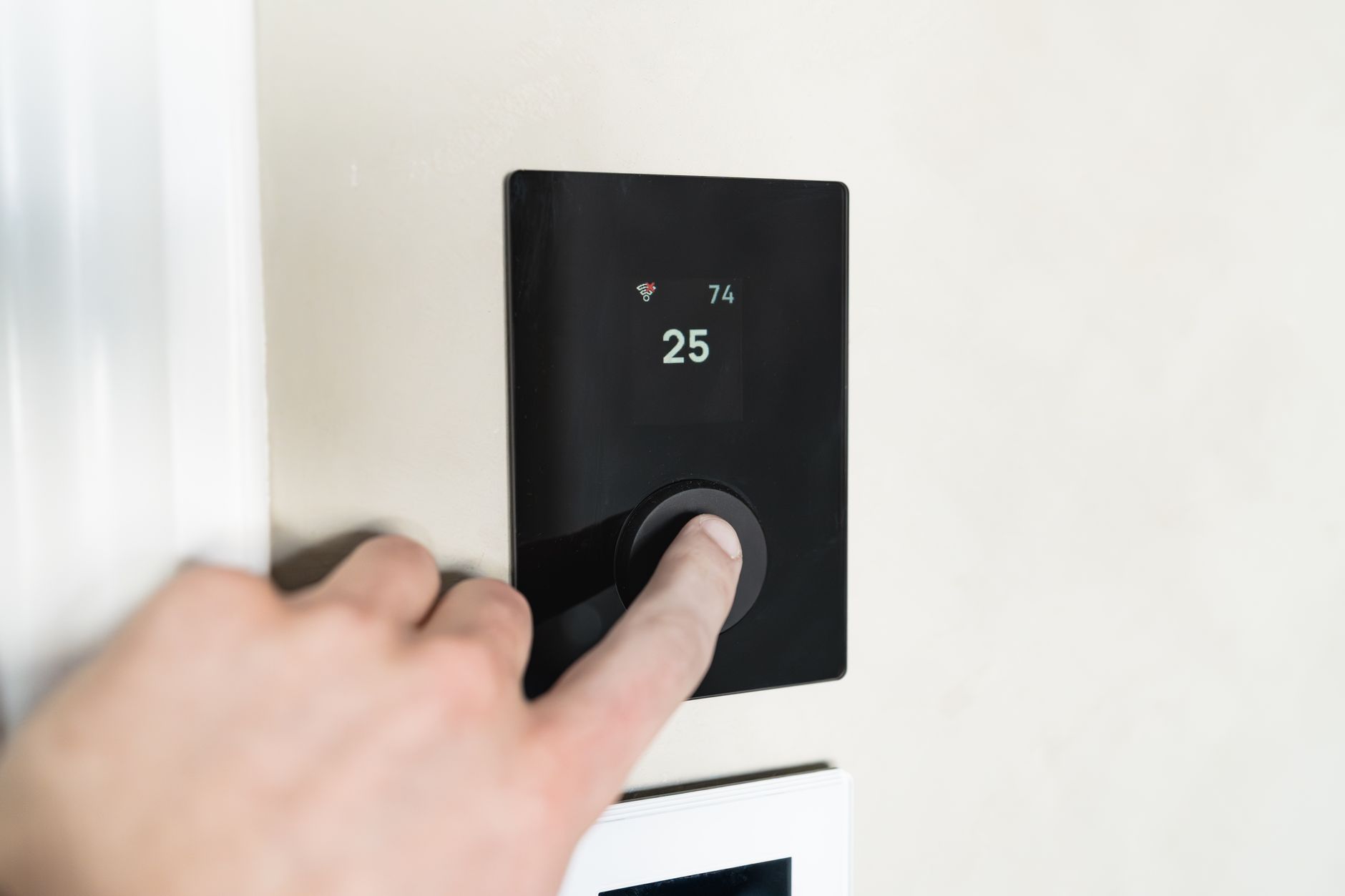
As we move deeper into 2026, the push for energy-efficient homes has reached a tipping point. With utility rates climbing 8-12% year-over-year in most regions and the new federal efficiency standards taking effect this quarter, homeowners are scrambling to upgrade their climate control systems. The problem? Roughly 40% of homes built before 2015 lack the crucial C-wire (common wire) that most modern smart thermostats require for continuous power.
If you’ve been putting off your upgrade because you discovered your wall only has four wires instead of five, you’re not alone. Smart thermostat installation without C wire has become the most searched HVAC topic this heating season, and for good reason. The good news is that you don’t need to tear open your walls or pay an electrician $300 to fish new cables. Whether you’re eyeing the latest Nest Learning Thermostat (4th gen), the Ecobee Premium, or a budget-friendly Amazon Smart Thermostat, there are at least five proven methods to get your system running without that elusive blue wire.
In this guide, we’ll walk through every workaround available in 2026, from simple adapter solutions to advanced power-sharing techniques that professional installers actually use.
Why the C-Wire Matters (And Why Your Old Thermostat Didn’t Need It)
Traditional mercury or basic digital thermostats operated like simple light switches—they completed circuits to tell your furnace when to fire up, using minimal power that could be “stolen” from the HVAC system itself. Modern smart thermostats, however, are essentially small computers. They run Wi-Fi radios, color touchscreens, occupancy sensors, and voice assistants 24/7. That requires consistent 24-volt power, which is exactly what the C-wire provides.
When you attempt a smart thermostat installation without C wire, the device tries to pull power through the heating or cooling wires (a process called “power stealing”). This works fine until your system is idle, at which point the thermostat might reboot, disconnect from Wi-Fi, or cause your furnace to short-cycle. In 2026, with thermostats handling Matter protocol communications and AI-driven predictive scheduling, stable power is more critical than ever.
Before you panic, check behind your current thermostat. Many homes have an unused blue or black wire tucked into the wall that was never connected. If you see one, you’re golden—simply connect it to the C terminal at both the thermostat and your furnace control board. If not, let’s explore your real options.
Method 1: Use a C-Wire Adapter (The Professional’s Choice)
The most reliable solution for smart thermostat installation without C wire is installing a C-wire adapter (also called a “common maker” or “add-a-wire” kit). These devices, like the Honeywell Home THP9045A1098 or the Ecobee Power Extender Kit (PEK), essentially split your existing four wires into five signals at the furnace control board.
Here’s how it works: The adapter installs inside your furnace cabinet and uses your existing G (fan) wire to carry both the fan signal and the common power return. Your thermostat receives a dedicated C-wire connection while maintaining independent fan control. Installation takes about 20-30 minutes and requires only basic tools—screwdrivers, wire strippers, and maybe a drill for mounting.
Pro tip for 2026 installations: If you’re installing the new Nest Learning Thermostat (4th generation), note that Google now includes a “Power Connector” (their version of a C-wire adapter) in the box for free. Ecobee includes their PEK with every thermostat purchase. Don’t buy these separately unless you’re using a Honeywell or Emerson Sensi model.
The adapter approach maintains all thermostat functionality, including the ability to run your fan independently for air circulation—a feature that becomes crucial if you have whole-home air purifiers or humidity control systems integrated into your 2026 smart home setup.
Method 2: The G-Wire Conversion (Fastest DIY Fix)
If you don’t mind sacrificing independent fan control, converting your G-wire (fan wire) into a C-wire is the quickest smart thermostat installation without C wire method. This works by repurposing the green wire that normally controls your blower fan.
The process:
- At your thermostat, move the G wire to the C terminal
- At your furnace control board, move the G wire to the C terminal
- Install a jumper wire between the Y (cooling) and G (fan) terminals at the furnace
This tricks your system into running the fan whenever the compressor runs, which is actually how many older systems operated anyway. The downside? You lose the ability to run just the fan for circulation without heating or cooling. In mild climates where you rarely use the fan-only mode, this trade-off is negligible. However, if you rely on fan circulation for air quality management—common in tightly sealed 2026 builds—skip this method and use an adapter instead.
Safety check: Before attempting this, verify your system is a standard 24-volt forced-air setup. This method doesn’t work with high-voltage baseboard heaters or proprietary communicating systems like Carrier Infinity or Lennox iComfort.
Method 3: Install a 24V Transformer (The Bulletproof Solution)
For homeowners who want absolute reliability without touching furnace wiring, adding an external 24-volt transformer is the gold standard. This involves plugging a small transformer (like the Fyve 24V C-Wire Transformer) into a nearby outlet and running two low-voltage wires to your thermostat—one to C and one to Rc.
While this requires a visible wire run (which you can hide with paintable wire channels or crown molding), it provides rock-solid power that won’t fluctuate when your HVAC system cycles. This method is particularly valuable in 2026 as thermostats take on more processing tasks—like local AI processing for occupancy prediction—that demand consistent voltage.
Installation notes: Mount the transformer near an outlet, run 18-gauge thermostat wire (or reuse existing unused wires in your wall), and connect to the C and Rc terminals. The transformer approach also future-proofs your setup; if you upgrade to a more power-hungry thermostat in 2028, you’ll already have the infrastructure in place.
Method 4: Choose a Thermostat Designed for No-C-Wire Homes
Sometimes the best solution is selecting hardware specifically engineered for smart thermostat installation without C wire. Several 2026 models handle power stealing more gracefully than others, or include built-in rechargeable batteries that trickle-charge during HVAC operation.
Top picks for no-C-wire installations:
- Nest Thermostat (2020 model): Uses power sharing effectively and includes a battery backup. Works reliably in about 85% of no-C-wire homes without adapters.
- Amazon Smart Thermostat: Budget-friendly option with surprisingly robust power management, though it requires the C-wire adapter (included) for most reliable operation.
- Honeywell Home T9: Includes a C-wire adapter in the box and offers room sensors that work even with power-stealing setups.
- Emerson Sensi Touch: Features “universal” compatibility that works with or without C-wire using advanced power stealing algorithms.
Avoid: Older Ecobee models (3rd gen and earlier) without the PEK installed, and any thermostat requiring “C-wire only” operation like some high-voltage European models.
Method 5: Fish a New Wire (When All Else Fails)
If you’re renovating or have accessible walls, running a new 18/5 thermostat cable remains the cleanest long-term solution. With 2026’s smart home standards pushing toward more sensors and controls at the thermostat location (air quality monitors, motion sensors, Matter border routers), having that extra conductor pays dividends.
Cost reality check: Hiring an HVAC tech to fish a wire typically runs $150-300, but DIY is possible if you have attic or basement access. Use a fiberglass fish tape and take photos of your existing wire bundle before disconnecting anything. Label everything—2026 thermostats often use terminals like O/B, Aux, and E that didn’t exist on 1990s mercury stats.
Conclusion: Power Up Your Smart Home Today
Completing a smart thermostat installation without C wire doesn’t require an electrical engineering degree or a massive renovation budget. For most homeowners, the C-wire adapter method offers the best balance of reliability, functionality, and cost—especially since major manufacturers now include these adapters in the box.
As we head into the 2026-2027 heating season, with energy prices showing no signs of dropping, the efficiency gains from a properly installed smart thermostat—typically 10-15% on HVAC costs—will pay for your adapter kit within the first few months. Whether you choose to convert your G-wire for a quick weekend project or install a dedicated transformer for bulletproof reliability, the key is taking action before the first cold snap hits.
Don’t let a missing wire keep you in the dark ages of climate control. Pick your method, set aside an hour this weekend, and join the millions of homeowners who’ve already made the switch to intelligent, efficient heating and cooling. Your wallet—and your comfort—will thank you.
Like what you're reading?
Check out our recommended partner for this niche.
Custom Automation Dev — HamDevCo →