Building a Smart Home on a Budget: What to Buy First, What to Skip
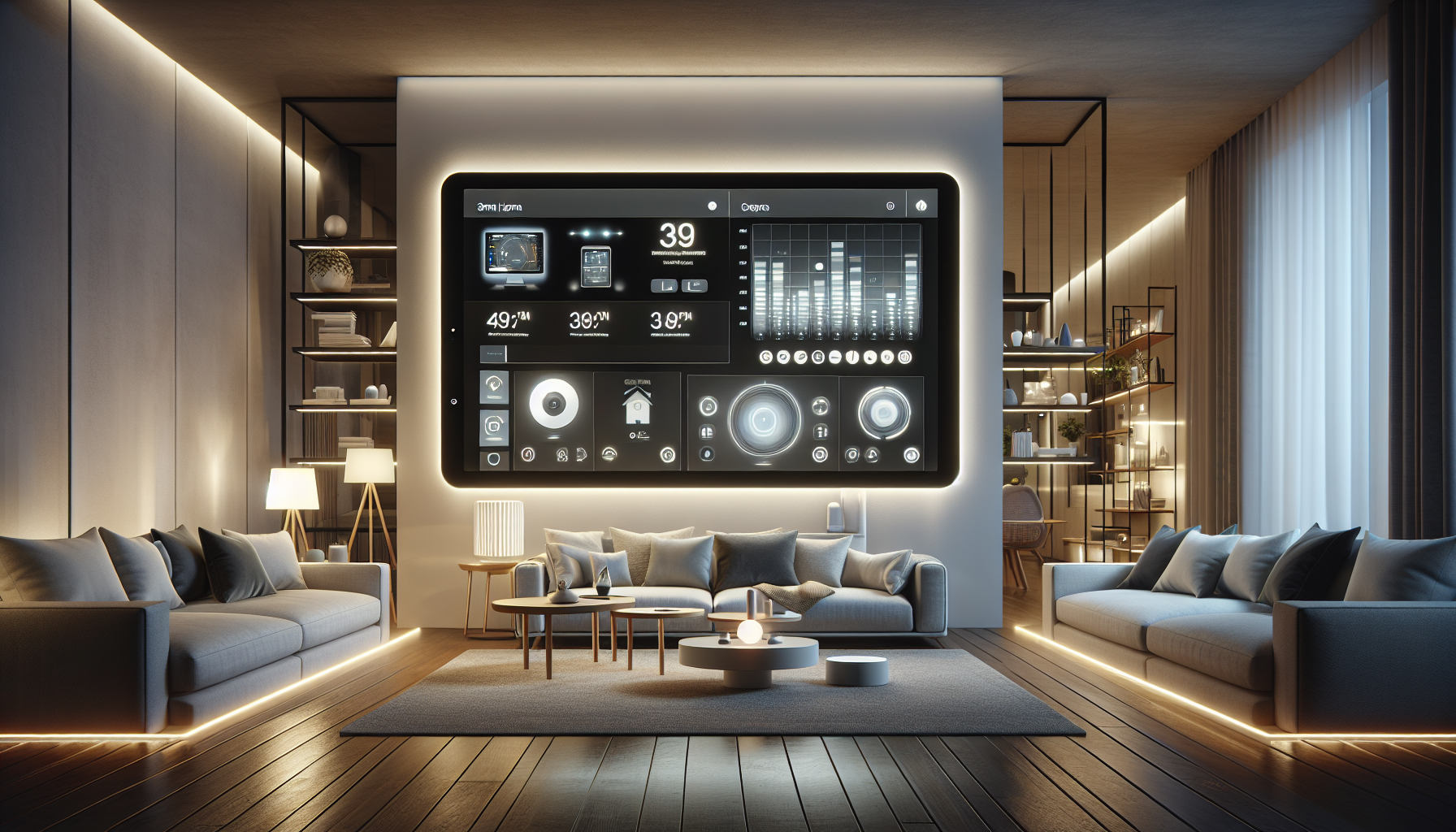
Smart home technology isn’t reserved for luxury homes or tech enthusiasts with huge budgets. With the right strategy, you can create a smart home that’s convenient, secure, and energy-efficient—without overspending. The trick is to start with impactful products, skip the hype, and expand over time. Here’s how to build a smart home system that fits your budget and actually improves your daily life.
Start with the Smart Home Basics: Hubs, Lights, and Plugs
If you’re new to home automation, begin with devices that offer high value and can work independently or together. The foundation of a smart home typically starts with three things: a reliable smart hub (or ecosystem), smart lighting, and smart plugs.
Smart Hubs or Voice Assistants:
Choose a central hub or voice assistant compatible with the devices you want. Amazon Echo (Alexa), Google Nest Hub, and Apple HomePod (Siri) are affordable entry points that double as speakers and home controllers. If you already use one brand’s products (like iPhones or Androids), stick to that ecosystem to minimize headaches.
Smart Lights:
Swapping out a few bulbs for smart lights like Philips Hue or Wyze Bulbs gives you voice control, remote access, and customizable scenes. Start with main living spaces or your bedroom—areas you use most. Consider smart switches if you want to keep using traditional bulbs but add automation.
Smart Plugs:
Smart plugs are inexpensive and instantly make existing appliances “smart.” Use them for lamps, coffee makers, fans, or holiday lights. Many work seamlessly with Alexa or Google Assistant and can be scheduled or controlled remotely from your phone.
These three upgrades deliver immediate convenience and energy savings, and they don’t require a professional installer.
Devices Worth the Investment Early On
Some smart home devices are worth splurging on early because of their impact on comfort, security, or savings.
Smart Thermostats:
A smart thermostat like the Google Nest or Ecobee can cut energy bills by learning your schedule and adjusting temperatures automatically. Install one if you own your home or have landlord permission—it pays for itself within a year for most users.
Video Doorbells and Smart Locks:
Boost your home’s security and convenience with a video doorbell, such as Ring or Eufy, and a smart lock. These devices let you see who’s at the door and grant access remotely, making package deliveries and letting in guests a breeze.
Security Cameras:
If home security is important, consider an affordable indoor or outdoor camera. Focus on main entryways or vulnerable areas. Many budget-friendly options offer free cloud storage and motion alerts.
Choose one or two of these upgrades based on your priorities and space. Don’t feel the need to buy everything at once—just what will make your daily life noticeably easier or safer.
What to Skip (For Now): High-End Extras and Single-Purpose Gadgets
It’s easy to get swept up in the latest smart home releases, but not everything is worth your money—especially at the start.
Skip Custom-Built Hubs and Complex Wired Systems:
Unless you’re renovating or building a new home, expensive custom hubs and wired systems are overkill. Wireless devices are more affordable and easier to install yourself.
Hold Off on Smart Fridges and Ovens:
Connected appliances sound futuristic, but they’re pricey and often add little value compared to their cost. Stick with classic appliances unless you’re due for a replacement anyway.
Avoid Too Many Single-Purpose Gadgets:
Devices like smart egg trays, connected salt shakers, or novelty robots are fun but rarely practical. Focus on automation that solves real problems or saves you time.
Don’t Overbuy Sensors:
Motion, window, and door sensors are useful, but you don’t need them on every entry point from day one. Add them gradually as your needs grow.
Tips for Growing Your Smart Home System Affordably
Building a smart home is a journey, not a race. Here’s how to expand your system without breaking the bank:
- Stick to One Ecosystem: Mixing brands can cause compatibility headaches. Choose devices that work together through platforms like Alexa, Google Assistant, or Apple HomeKit.
- Watch for Bundles and Sales: Smart home devices often go on sale during major shopping events. Starter kits are a great way to get multiple items at a discount.
- DIY Installation: Most smart devices are designed for easy installation—no pro needed.
- Expand Room by Room: Perfect your setup in one space before moving to the next. This way, you learn what works for your lifestyle and avoid wasted purchases.
- Automate with Purpose: Use routines and automations to solve real problems—like making sure lights turn off when you leave, or your thermostat adjusts when you’re away.
Conclusion: Smart Starts, Smarter Expansions
You don’t need a massive budget to enjoy the benefits of home automation. Start with devices that offer the most convenience and control—like smart lights, plugs, thermostats, and locks. Avoid the temptation of flashy gadgets or full-house makeovers right away. As you live with your smart home system, you’ll discover what makes life easier, safer, and more efficient—so you can invest wisely and enjoy a truly smart home, one step at a time.
Like what you're reading?
Check out our recommended partner for this niche.
Custom Automation Dev — HamDevCo →