Smart Home Automation for Beginners: A Comprehensive Guide to DIY Home Technology and IoT Devices
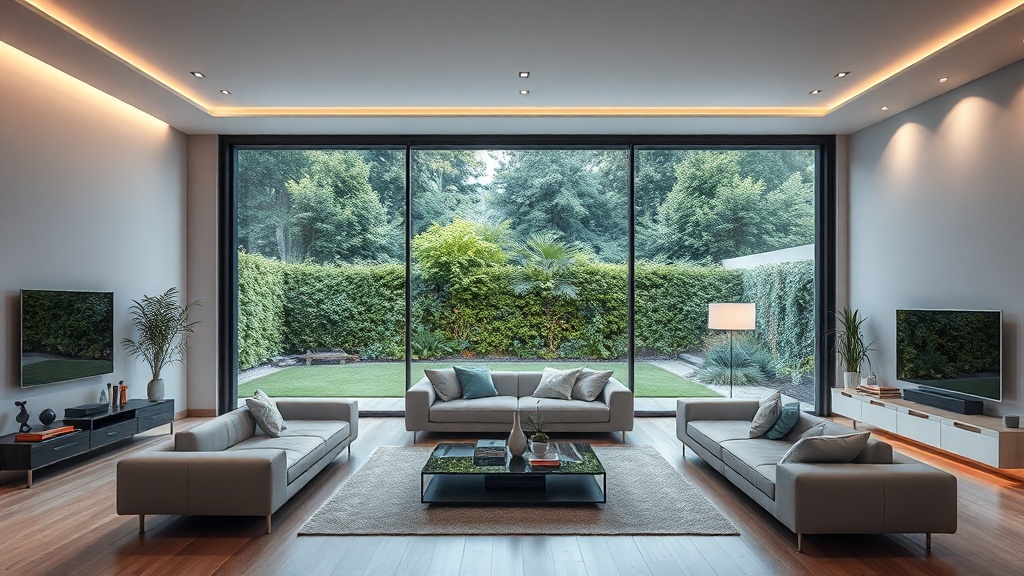
Are you curious about smart home automation and how it can transform your living space? With the rise of DIY home technology and IoT devices, it’s now easier than ever to create a seamless and connected home experience. In this comprehensive guide, we’ll walk you through the basics of smart home automation, exploring the benefits, key components, and practical tips for getting started.
Introduction to Smart Home Automation
Smart home automation refers to the integration of various devices and systems in your home to create a network of interconnected technologies that can be controlled and monitored remotely. This can include everything from lighting systems and thermostats to security cameras and entertainment systems. By automating these devices, you can enjoy greater convenience, energy efficiency, and peace of mind. For instance, you can use voice assistants like Amazon Alexa or Google Home to control your smart devices, making it easy to manage your home with just your voice.
Choosing the Right DIY Home Technology
When it comes to DIY home technology, there are numerous options available, ranging from simple smart plugs to more complex home automation hubs. To get started, consider the following factors:
- Compatibility: Ensure that the devices you choose are compatible with your existing systems and devices.
- Ease of use: Opt for devices with user-friendly interfaces and intuitive controls.
- Scalability: Choose devices that can be easily integrated with other devices and systems as you expand your smart home network. Some popular DIY home technology options include:
- Smart speakers like Amazon Echo or Google Home
- Smart light bulbs like Philips Hue or LIFX
- Smart thermostats like Nest or Ecobee For example, you can use smart light bulbs to create a smart lighting system that adjusts brightness and color based on the time of day or your daily routines.
Exploring IoT Devices for Smart Home Automation
IoT devices play a crucial role in smart home automation, enabling you to control and monitor your devices remotely. Some popular IoT devices for smart home automation include:
- Smart security cameras like Ring or Arlo
- Smart door locks like August or Schlage
- Smart home sensors like motion detectors or smoke alarms When selecting IoT devices, consider the following:
- Security: Ensure that the devices you choose have robust security features, such as encryption and secure authentication.
- Connectivity: Choose devices that support your preferred connectivity protocol, such as Wi-Fi, Bluetooth, or Zigbee.
- Power consumption: Opt for devices with low power consumption to minimize energy waste and reduce your carbon footprint. For instance, you can use smart home sensors to detect motion or smoke, sending alerts to your phone or tablet in case of an emergency.
Creating a Seamless Smart Home Experience
To create a seamless smart home experience, consider the following tips:
- Start small: Begin with a few devices and gradually expand your network as you become more comfortable with smart home automation.
- Use a central hub: Invest in a central hub or controller to streamline device management and simplify control.
- Integrate with existing systems: Integrate your smart devices with existing systems, such as your entertainment system or security cameras, to create a cohesive and connected experience.
- Monitor and adjust: Regularly monitor your smart home devices and adjust settings as needed to optimize performance and efficiency. By following these tips, you can create a smart home that is tailored to your needs and preferences, making your life easier, more convenient, and enjoyable.
Putting it All Together: Actionable Steps for Smart Home Automation
Now that you’ve explored the world of smart home automation, it’s time to put your knowledge into practice. Here are some actionable steps to get you started:
- Research and plan: Research different devices and systems, and plan your smart home network accordingly.
- Invest in a central hub: Invest in a central hub or controller to streamline device management and simplify control.
- Start with a few devices: Begin with a few devices and gradually expand your network as you become more comfortable with smart home automation.
- Experiment and adjust: Experiment with different devices and settings, and adjust as needed to optimize performance and efficiency. By following these steps and tips, you can create a smart home that is tailored to your needs and preferences, making your life easier, more convenient, and enjoyable. Remember to always prioritize security and compatibility when choosing devices and systems, and don’t hesitate to reach out to support if you need help along the way. With the right knowledge and tools, you can unlock the full potential of smart home automation and enjoy a more connected, convenient, and comfortable living experience.
Like what you're reading?
Check out our recommended partner for this niche.
Custom Automation Dev — HamDevCo →