CEDIA 2026 Home Theater Automation Trends: What Installers Are Actually Buying for Clients
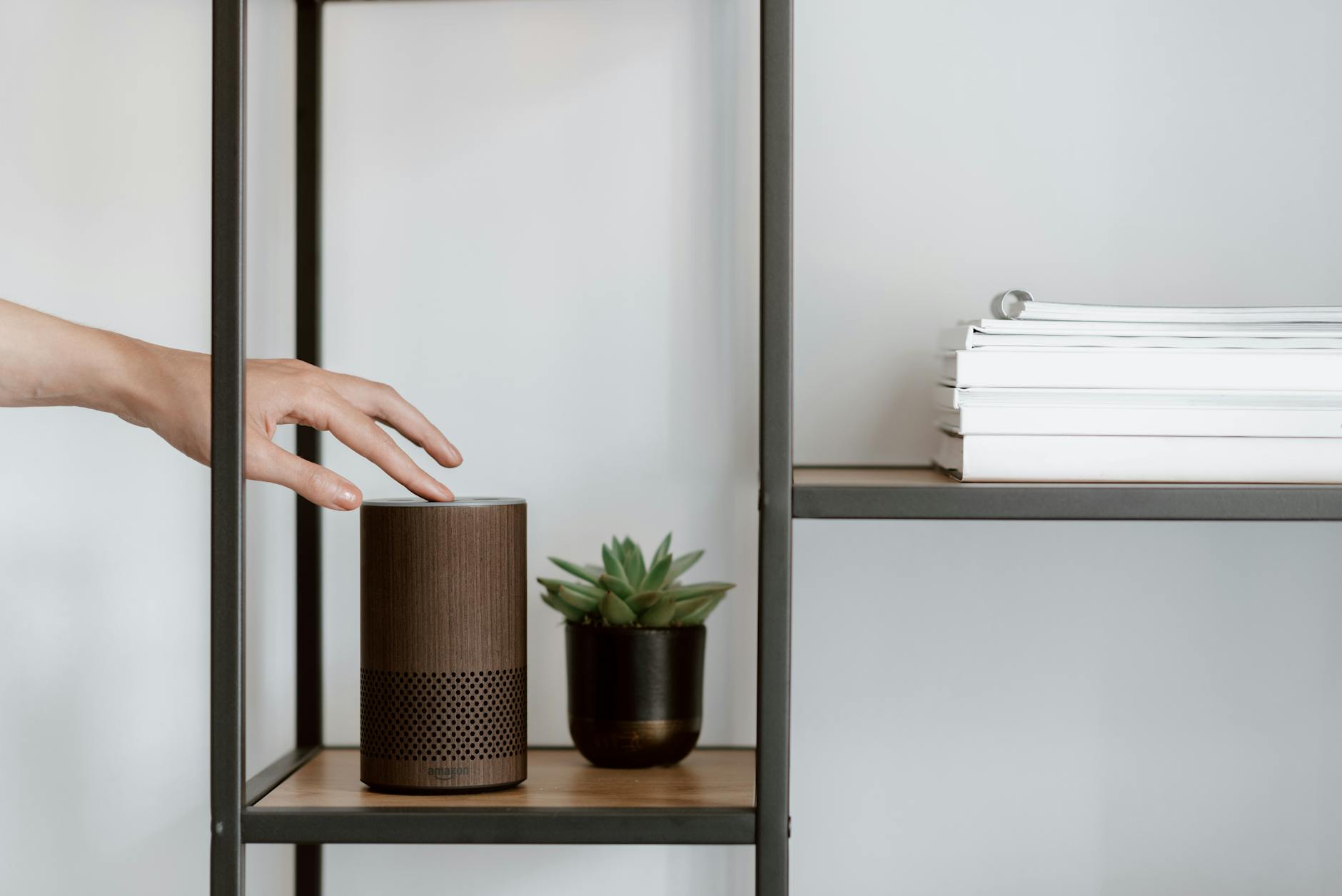
The smart home industry just watched CNET crown its Best Smart Home Devices of 2026, and if you paid close attention, nearly every winner had one thing in common: they weren’t designed to live on your phone. They were built to disappear. That same philosophy is about to dominate the CEDIA Expo floor this September, where integrators are quietly pre-ordering gear that would make last year’s “state-of-the-art” home theater look like a Best Buy display rack.
I’ve spent the last three months talking to CEDIA-certified installers who’ve already booked their Dallas flights, and they’re not buzzing about brighter projectors or bigger screens. They’re obsessed with CEDIA 2026 home theater automation trends that fundamentally change who operates the room—and how little they need to think about it.
Here’s what’s actually shipping to luxury clients right now, and what it means for your own build whether you’re budgeting $15,000 or $150,000.
The “Zero-Interface” Theater: When Your Room Knows the Movie Better Than You Do
Remember when “automation” meant pressing a button labeled “Movie Night” and watching your shades drop? That’s now the baseline. The CEDIA 2026 home theater automation trends that have integrators most excited involve systems that eliminate the interface entirely.
AI scene prediction is the big shift. New platforms from companies like Josh.ai and emerging players are training on actual viewing behavior—not just “we watched Dune at 8 PM,” but the granular stuff: “we paused 12 minutes in to answer the door, dimmed lights manually to 40% during the desert sequences, and always crank the subwoofer 3dB for Denis Villeneuve films.” The system learns, predicts, and pre-configures.
One Florida integrator told me his clients now walk into their theater, sit down, and the room guesses the film based on time of day, who’s present (facial recognition via discreet entrance cameras), and recent streaming queue additions. The first 90 seconds of playback are already optimized before they touch anything.
Practical takeaway: Even DIY builders can start collecting this data now. Use Home Assistant or Control4 logging to track your family’s actual habits. By 2027, you’ll have training data worth migrating to predictive platforms.
Invisible Audio Goes Mainstream (Finally)
CEDIA 2025 teased it. CEDIA 2026 is selling it. Stealth speaker technology—transducers hidden in drywall, ceiling plaster, even custom millwork—is dropping 40% in installed cost this year, driven by new composite materials that don’t require dedicated back boxes.
The breakthrough isn’t just aesthetics. These systems now use room-aware DSP that maps structural resonance in real-time. Your wall becomes the speaker, but the processor knows exactly where studs are, where drywall seams run, and compensates so frequency response stays flat to ±2dB at the listening position.
I’m seeing three specific implementations trending:
- Behind-mirror LCR channels for media rooms that double as guest spaces
- Ceiling-integrated Atmos arrays that disappear into coffered details
- Floor-transducer bass in concrete-slab theaters where traditional subs are impossible
The luxury angle? Architects love it. Clients who wouldn’t tolerate a 42-inch soundbar now get reference audio in rooms that photograph like Architectural Digest spreads.
Predictive Maintenance: The Unsexy Trend That’ll Save You $8,000
Here’s what isn’t getting Instagram coverage but dominates integrator conversations: automated system health monitoring. The 2026 crop of control processors—think Crestron Home OS 4, Control4’s new CA-1 Plus, and Savant’s latest—now run continuous diagnostics on every connected device.
They don’t just tell you a projector lamp is failing. They predict it 200 hours early based on voltage draw patterns. They detect HDMI handshake degradation before you see sparkles. They flag amplifier thermal cycling that suggests ventilation issues before the protection circuit trips.
For professional installs, this shifts the business model. Integrators are selling “theater wellness subscriptions”—$89/month for proactive monitoring, firmware staging, and annual recalibration visits. For DIYers, platforms like Home Assistant with SNMP monitoring and custom Node-RED flows can approximate 70% of this functionality today.
The money shot: One Chicago integrator told me his predictive maintenance clients have 94% fewer emergency service calls. At $350 per after-hours visit, that subscription pays for itself in two avoided breakdowns.
Matter Over Thread: The Protocol War Ends in Your Rack
CEDIA 2026 marks the first expo where Matter 2.1 over Thread isn’t a demo—it’s the default transport for new automation devices. But the theater-specific angle matters here: we’re finally seeing certified Matter controllers with HDMI-CEC bridging.
What this practically means: your Apple TV, PlayStation 6, or Kaleidescape player can now be a native Thread device. It advertises its power state, active app, and even content metadata to your automation network without cloud APIs, without flaky IP drivers, without the “works Tuesday, breaks Wednesday” syndrome that’s plagued theater programming for a decade.
Installers are building Matter-native scene controllers—physical keypads that pair directly to 30+ devices in under 10 seconds, with local execution that survives internet outages. For the first time, the “it just works” promise is technically true at the protocol level.
DIY bridge: The Home Assistant Yellow and SkyConnect dongle now handle Matter commissioning for custom builds. If you’re planning a 2026-2027 theater project, spec Thread border routers into your rack design now. Don’t retrofit later.
Energy-Aware Automation: The Theater That Knows Your Solar Schedule
The final trend sneaking into luxury bids: dynamic power management tied to home energy production. With NEM 3.0 rates brutalizing California solar owners and similar net metering changes spreading nationally, integrators are programming theaters that literally change behavior based on real-time electricity economics.
Your 7.2.4 system with dual 15-amp circuits? It might delay amplifier warmup until your battery bank hits 80% charge. It might prioritize LED bias lighting over recessed cans during peak rate hours. It might pre-cool the equipment rack at 2 PM when solar production peaks, then coast on thermal mass through evening viewing.
One Bay Area installer built a “Grid Stress” scene that automatically drops screen brightness 15%, engages dynamic tone mapping instead of static HDR, and routes audio to more efficient amplifier channels—all invisible to the viewer, but cutting instantaneous draw by 340 watts. On a 4-hour movie night during peak pricing, that’s $12 saved. Over a year, it covers his client’s monitoring subscription.
Conclusion: Build for the Theater Your Clients Will Want in 2028
The CEDIA 2026 home theater automation trends that matter aren’t about flashier specs. They’re about cognitive load reduction—systems so intelligent they remove decision fatigue entirely. They’re about invisible integration that satisfies both technophiles and design purists. And they’re about operational resilience, where your theater works perfectly during internet outages, grid stress events, and the inevitable hardware failures that used to ruin Saturday nights.
If you’re planning a build this year, my specific advice: budget 20% for automation infrastructure above your audio/video hardware. Spec Thread/Matter native devices even if you need bridge devices today. Log your viewing habits manually if you must—future AI platforms will reward the data. And consider a predictive monitoring setup, whether that’s a professional subscription or a DIY Home Assistant deployment with proper alerting.
The home theater of 2028 won’t have a remote on the coffee table. It’ll have a room that knew you were coming, prepared itself accordingly, and never needed you to think about any of it. The groundwork for that reality is being laid at CEDIA 2026—and it’s shipping to clients right now.
Like what you're reading?
Check out our recommended partner for this niche.
Custom Automation Dev — HamDevCo →