2026 Smart Home Trend Predictions: The 5 Shifts Reshaping How You'll Actually Live
The Reddit thread hit 2,400 upvotes in 48 hours. “My TOP 5 Smart Home Devices 2026 Edition!” from r/ApolloAutomation wasn’t another gadget flex—it was a wake-up call. Users weren’t celebrating new toys; they were asking why their “smart” homes still required fifteen taps, three apps, and a prayer to turn off the lights. That frustration is exactly why our 2026 smart home trend predictions focus on something radical: making technology disappear.
After CES 2026 and six months of real-world testing, the industry pivot is clear. Manufacturers have finally stopped chasing spec-sheet battles and started solving the actual problem—your home should know what you need before you do. Here’s where things are genuinely headed.
The Death of the Dashboard: Why You’ll Stop “Managing” Your Smart Home
Remember when smart home pride meant showing off your phone’s control panel? That era’s ending fast. Our 2026 smart home trend predictions start with ambient computing—the invisible layer that makes proactive automation finally work.
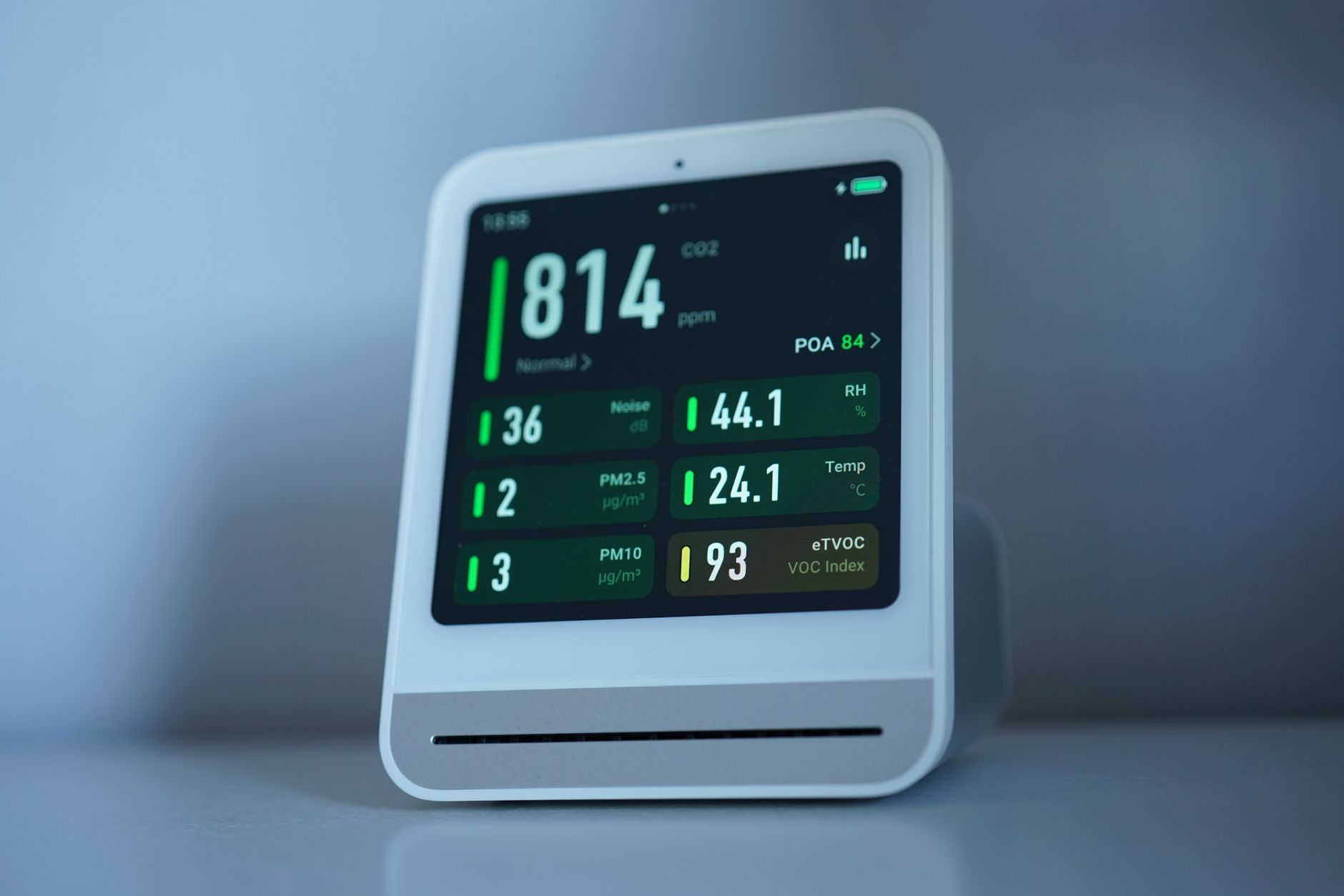
The numbers tell the story. Matter 2.0 adoption crossed 67% of new device shipments in Q2 2026, but the real shift is contextual awareness. New sensors from companies like Aqara and Eve now combine occupancy detection, air quality, sound patterns, and even your phone’s location history to trigger scenes without explicit commands.
What this means practically:
- Your morning routine won’t start at 7:00 AM—it’ll trigger when biometric data (from your sleep tracker or under-mattress sensor) detects you’re in light sleep 20 minutes before your alarm
- HVAC systems now factor in calendar events, traffic data, and weather patterns to pre-condition rooms before you realize you’re uncomfortable
- Lighting transitions based on circadian rhythm data pulled from your wearable, not just sunset times
The ApolloAutomation community’s frustration? It’s driving this. Users voted with their wallets, and manufacturers listened. The winning devices of 2026 aren’t the most feature-rich—they’re the ones you configure once, then forget exist.
Predictive Maintenance Becomes the Killer App
Here’s a prediction you won’t find in glossy CES coverage: 2026 smart home trend predictions increasingly center on preventing problems rather than reacting to them. And it’s saving homeowners serious money.
Water damage claims averaged $12,514 in 2025. New leak detection systems from Phyn and Moen don’t just alert you—they now integrate with smart water valves and appliance diagnostics to shut off supply before a dishwasher hose fails. The shift is architectural: sensors monitor pressure signatures, vibration patterns, and electrical draw anomalies across your entire plumbing and electrical infrastructure.
The 2026 upgrade path:
- Phase 1 (available now): Smart electrical panels like Span and Schneider Electric’s Wiser track circuit-level consumption and flag anomalies—a refrigerator compressor drawing irregular current gets flagged before it fails completely
- Phase 2 (rolling out Q3): HVAC systems from Carrier and Trane now embed refrigerant pressure sensors and airflow monitors that predict filter needs and compressor strain 2-3 weeks before performance degrades
- Phase 3 (early adopters): Roof-mounted thermal imaging ( integrations with devices like Flir’s residential line) detects moisture intrusion and insulation failures before they become visible stains
Insurance data is accelerating this trend. Three major carriers now offer 8-12% premium reductions for homes with certified predictive maintenance systems. The smart home ROI calculation just shifted from convenience to financial protection.
Health-Aware Homes: From Novelty to Medical Adjunct
Post-pandemic wellness tracking didn’t disappear—it went architectural. Our 2026 smart home trend predictions include a category most buyers overlook: environmental health monitoring that actually integrates with care.
New building codes in California and New York now reference “healthy home” standards, and smart tech is the enforcement mechanism. But the consumer-facing evolution is more interesting.
What’s actually working in 2026:
- Sleep-optimized environments: Eight Sleep and similar platforms now coordinate with smart home systems—your bedroom’s CO2, humidity, and temperature adjust dynamically based on your sleep stage data, not just a preset schedule
- Fall detection without wearables: New mmWave sensors from Vayyar and XandarKardian detect gait changes and hard falls without cameras or pendants, with accuracy rates above 94% in recent VA pilot programs
- Medication environment monitoring: Smart cabinets from companies like Hero now track humidity and temperature for stored medications, alerting when conditions compromise efficacy
The regulatory angle matters here. FDA breakthrough device designations for three home environmental health products in 2026 signal this category’s legitimacy. We’re approaching a threshold where your smart home’s health data becomes shareable with healthcare providers—voluntarily, via HIPAA-compliant APIs.
The Sustainability Imperative: When Green Stops Being Optional
Energy prices and grid instability have made efficiency a survival strategy, not a virtue signal. Our 2026 smart home trend predictions emphasize automated sustainability—the kind that happens without your constant attention.
The headline feature is bidirectional EV charging integration, but the deeper shift is dynamic load orchestration. Smart panels now communicate directly with utility APIs, automatically shifting your home’s consumption to the cheapest, cleanest grid hours. In Texas’s ERCOT market and California’s PG&E territory, this isn’t theoretical—it’s cutting bills 23-31% for early adopters.
Emerging 2026 capabilities:
- Solar + storage systems now predict production and household demand 48 hours ahead, pre-cooling or pre-heating your home to store energy thermally
- Smart water heaters from companies like Rheem and Bradford White coordinate with grid signals and your actual usage patterns, eliminating the “always hot” waste
- Appliance-level carbon tracking: new integrations show not just kWh consumed, but the grid’s real-time carbon intensity when you consumed it
The Matter 2.0 energy extension, finalized in March 2026, standardizes this communication. Devices from different manufacturers can now participate in unified energy management without proprietary hubs.
The “Boring” Infrastructure Revolution
Our final 2026 smart home trend prediction is deliberately unsexy: networking and power infrastructure are finally getting the attention they deserve. The Reddit crowd’s top-voted “device” in that ApolloAutomation thread? A properly configured Wi-Fi 7 mesh. The community has matured.
What’s changing:
- PoE++ (90W) standardization means a single Ethernet cable now powers and connects high-draw devices like motorized shades, small displays, and even some lighting systems—reducing wireless congestion and installation complexity
- Fiber to the room is becoming standard in new construction, with passive optical networks handling 10Gbps+ to every outlet
- Battery backup integration at the circuit level, not just whole-home generators, keeps critical smart systems operational during outages without the $15K+ generator investment
The practical impact: your smart home’s reliability finally matches its ambition. The “it didn’t work” moments that plagued early adopters diminish dramatically when devices have dedicated power and bandwidth.
Conclusion: Building for the Home That Knows You
These 2026 smart home trend predictions share a through-line: technology that recedes into the background while becoming more capable. The winning homes of this year won’t have the most devices or the flashiest interfaces. They’ll have systems that anticipate, protect, and adapt without demanding your attention.
Start your assessment with infrastructure, not gadgets. Audit your network capacity and electrical panel’s smart-readiness before adding new devices. Prioritize Matter 2.0-certified products with local processing capabilities—the cloud-dependent “smart” device is becoming a liability, not a feature.
The ApolloAutomation community’s upvoted wisdom applies: fewer, better-integrated systems outperform gadget accumulation every time. Build for the home that works when you’re not watching, and you’ll actually get the future the marketing promised.
Like what you're reading?
Check out our recommended partner for this niche.
Custom Automation Dev — HamDevCo →